Anger and the Work Place
Look for Solutions Based in Mutal Respect and Without Shame
By Jerry Medol and Rusty Fleischer
As we hear the disturbing news of another incident of workplace violence ending in tragic results, we often think, “Could this have been prevented?”
Nearly 5 percent of the 7.1 million private industry businesses in the United States had an incident of workplace violence within the 12 months prior to completing a 2005 survey on workplace violence prevention, according to the U.S. Department of Labor, Bureau of Labor Statistics. Although about a third of these establishments reported that the incident had a negative impact on their workforce, the majority of these establishments did not change their workplace violence prevention procedures.
Prevention

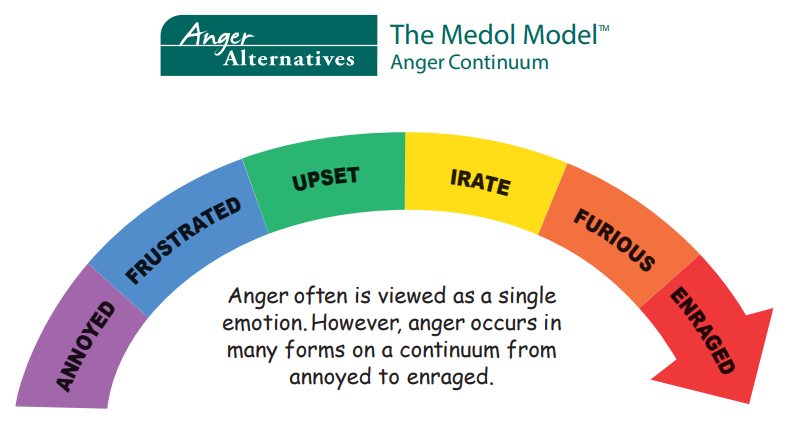
Many workplace violence incidents could be prevented with awareness and an action plan. An act of violence is an advanced expression of anger, just as anger-related behavior is an advanced expression of stress.
Often companies falsely choose what seems to be the “easier” path by classifying a particular employee’s behavior as being “problematic” and an “isolated” situation. The human resources manager may be involved, and the employee may be reprimanded and/or referred to an employee assistance program. But does that resolve the situation? Are there more problem situations left unseen? Could the situation have been resolved in a more creative and effective way?
Anger SignsAs an employer, it is important to recognize an employee with anger issues and be alert to behaviors that can be signals, such as:
- Reactionary with situations or with co-workers
- Irritability and overreacting to minor issues.
- Critical, complaining about work, fellow workers or superiors
- Negativity and alienation
- Trying to control or manipulate fellow workers or superiors
- Frequent tardiness or absenteeism
- Lack of cooperation with fellow workers and superiors
- Not accepting responsibility or accountability
- Procrastination in completing assignments
- Difficulty understanding instructions
Anger-related behavior and incidences of violence are symptomatic of personal stress issues and challenges the employee is facing. There are no limits to the ways stress can affect an employee’s behavior, whether it’s source is personal, family, health, marital, financial, or some work-related fear or conflict. These behaviors also have a direct effect on the performance and productivity of the employee and his or her work environment.
It is essential to have good prevention policy and strategies to dissipate the negative energy and avoid possible violence.
Providing Relief
- Stay calm and don’t react. Remember that anger is not danger. Anger means that something is not all right. It is likely that your employee is in an agitated and defensive state, so you need to slow down, take a deep breath and be open to hearing and caring about what that person is saying to you. Especially listen to hear what it is that is not right.
- Show respect by showing that you care. Take an honest interest in the situation. An employee who does not feel cared about can become more alienated and isolated.
- Listen, encourage and support. This person is looking for someone to feel safe with and to feel cared about. Share opinions and feelings to discover the real problem. Try to help find a creative solution. You don’t have to agree with your employee.
- Leave fault-finding out of the conversation. Blame doesn’t help and it puts people on the defensive. Don’t focus on what is wrong. Focus on what is needed.
- Seek professional help. Anger management classes that help employees learn to express themselves and communicate without reacting can change the relationship and save a good employee.
Remember that an employee with anger is not an enemy, and anger is not violence.
An employee with anger is a person needing to be cared about. Showing care is the best way to find out if you can satisfy the need of that employee. If that troubled employee responds to being cared about, and strives to find a workable solution, the day will end well.
If you showed you care, and found that your employee is not willing to work toward a solution, you can be satisfied that you have done your best and will have documented the development of the situation. You will have pre-empted conflict and additional stress, and that day also will have ended well.
Solutions based in mutual respect and without shame, end well.